Blog

2026

Why Most BI Dashboards Fail (And How to Fix Them)

Why Most BI Dashboards Fail (And How to Fix Them)

·435 words·3 mins
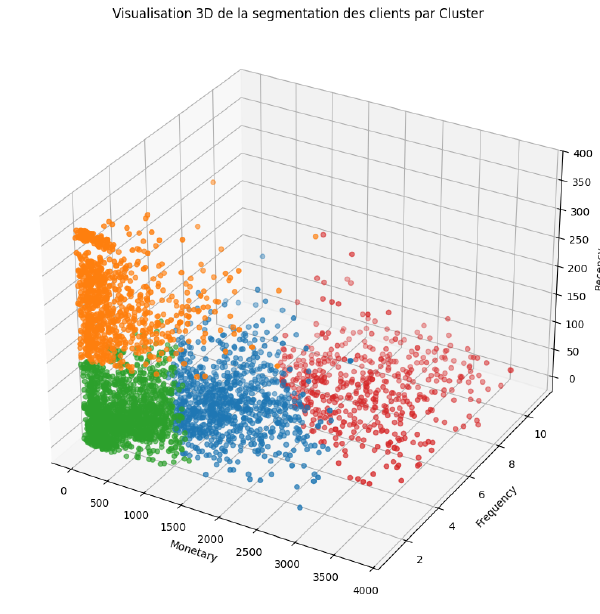
Most BI dashboards fail for one simple reason: they start with visuals, not decisions. In many organizations, dashboards are treated as design exercises. The focus quickly shifts to charts, colors, and layouts, while the most important questions remain unanswered:

2025

The Business Problems Every Data Analyst Needs to Master

The Business Problems Every Data Analyst Needs to Master

·453 words·3 mins
When you start your journey as a data analyst, it’s tempting to think that acing SQL queries, building complex dashboards, or mastering every new BI tool is the key to success. After all, technical skills are visible, tangible, and measurable. But here’s the hard truth: technical skills alone won’t make you indispensable.
My LLM Cheatsheet: Concepts, Training, and Best Practices 🧠✨

My LLM Cheatsheet: Concepts, Training, and Best Practices 🧠✨

·1026 words·5 mins
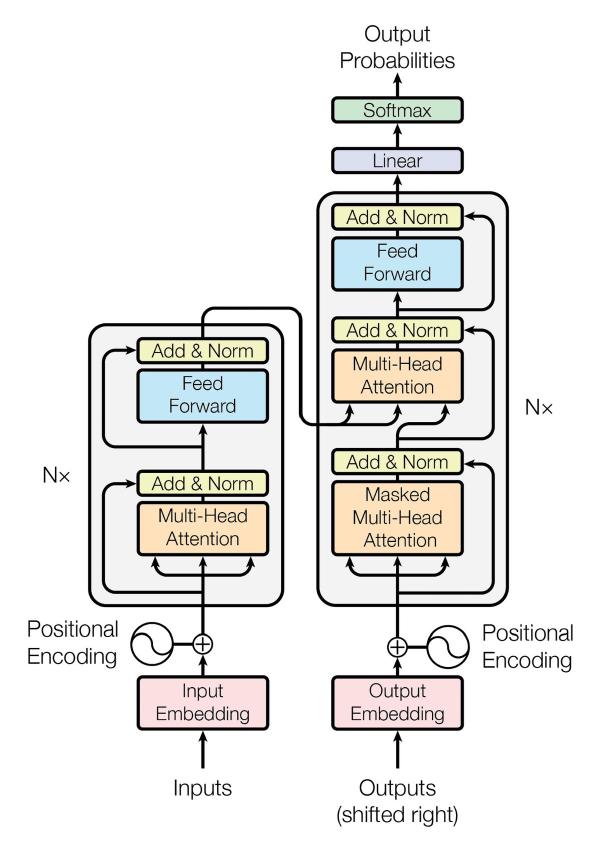
Large Language Models (LLMs) are everywhere now — chatbots, copilots, search, coding, writing, and reasoning. This is my personal LLM cheatsheet: concise notes I use to refresh core concepts, training ideas, and practical techniques without diving back into papers or long courses.
Benford's Law: The Anti-Fraud Tool Most Analysts Never Use

Benford's Law: The Anti-Fraud Tool Most Analysts Never Use

·599 words·3 mins
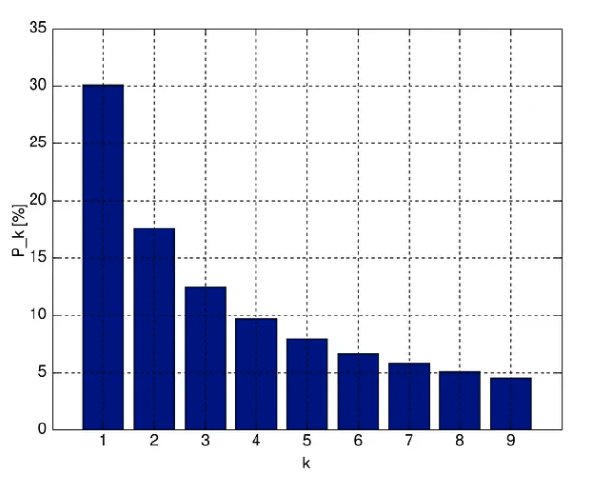
When we talk about data fraud detection, most people think of complex models, AI pipelines, or forensic accounting teams armed with custom algorithms. But sometimes, one of the most powerful tools is also one of the simplest.
Simpson's Paradox: Understanding a Counter-Intuitive Statistical Trap

Simpson's Paradox: Understanding a Counter-Intuitive Statistical Trap

·717 words·4 mins
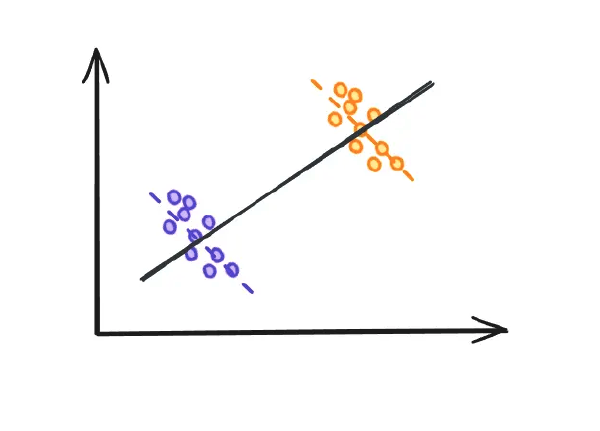
Simpson’s paradox is one of the most puzzling phenomena in statistics. It occurs when a trend observed in several distinct groups completely reverses once those groups are combined. In other words, what appears true within each subgroup can become false when the data is analyzed as a whole.